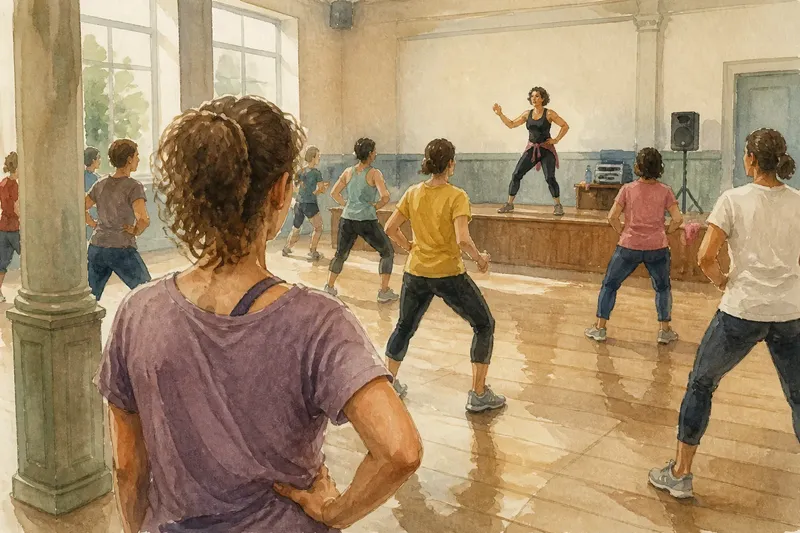
Intervals or Steady Sessions: Two Different Rhythms
Intervals or steady sessions shape a workout differently. Compare their rhythms, avoid common snags and choose a format that fits your route, mood and plans.
The common mistake with intervals or steady sessions is treating them as interchangeable versions of the same workout, then forcing one to feel like the other. That can turn a manageable session into rushed recoveries or a tense stretch of continuous movement. The useful distinction is rhythm: intervals divide activity into efforts and easier periods, while a steady session keeps activity continuous at a broadly even feel.
Neither format needs to be dramatic. A brisk walk with relaxed stretches between them can be interval-based; a comfortable cycle around the neighbourhood can be steady. The choice shapes what you pay attention to, how the session unfolds and where its awkward moments tend to appear.
Two session rhythms
In an interval session, you alternate periods of purposeful effort with easier movement or rest. The effort might mean walking faster, rowing more firmly or riding up a modest incline. Recovery is part of the structure, not a prize earned afterwards. It gives the next effort a clear starting point and helps keep the session from becoming one unbroken push.
A steady session has no planned changes between hard and easy sections. You keep moving at a pace that feels broadly sustainable for the activity and the day. A route can still include hills, turns or pauses at crossings, but those changes are not the workout’s organising pattern.
The distinction is not simply fast versus slow. An interval effort can be controlled, and a steady session can feel lively. The question is whether planned changes in effort and recovery shape the session, or whether continuity does.
When intervals unravel
Problem: the first effort is too hard. This can happen when “hard” is mistaken for an all-out burst. The early interval then sets a pace the later ones cannot comfortably match, and recovery feels like an emergency stop rather than a planned easier phase.
Try: make the first effort deliberately controlled. Choose a pace at which you can keep the movement tidy, then use the easier period to let your breathing settle without demanding that it return to a particular state. If the next effort begins with dread, soften the effort or lengthen the recovery.
Problem: the recovery disappears. Walking quickly, pedalling firmly or rowing with nearly the same intent throughout erases the contrast. The session may still be useful movement, but it no longer has a clear difference between effort and recovery.
Try: give recovery a visible task: reduce your walking pace, select a lighter gear on a bike, or move easily on a rowing machine. You should be able to tell that the effort has changed without a device announcing it. If there is no meaningful difference, adjust the easier phase rather than making the hard phase more punishing.
Problem: counting takes over. Watching a timer or remembering a complicated pattern can pull attention away from movement, especially outdoors or in a busy gym.
Try: use a simple cue, such as walking briskly to one lamppost and easily to the next. Keep the route safe and familiar, and avoid staring at a phone while walking or cycling. A basic repeating timer can help indoors; elaborate interval schemes are rarely worth the bookkeeping.
When steady movement stalls
Problem: the pace keeps creeping up. A steady session can begin comfortably and become a private contest with the person you imagine you ought to be. That drift often comes from treating continuous movement as a test rather than a stretch of activity.
Try: set a conversational intention before starting. You might choose an easy walk, a relaxed spin on a stationary bike or a calm length of swimming, then keep the effort near that feeling. If conversation would be difficult, ease off. The point is continuity, not proving that the opening pace was too cautious.
Problem: the route makes the session feel uneven. A steep hill, crowded pavement or repeated traffic lights can interrupt a plan to move continuously. That is a feature of the surroundings, not evidence that the format has failed.
Try: choose a flatter loop, an indoor track or a treadmill if a more even rhythm is what you want. If interruptions are unavoidable, let them be interruptions rather than compensating with a sudden surge. A steady session describes its general structure, not a promise that every moment will feel identical.
Problem: steady movement feels monotonous. Repeating the same route or staring at the same gym wall can make an easy pace feel longer than expected. The cause may be the setting, not a need to add intervals.
Try: change the route, listen to something if it is safe and permitted, or use a simple landmark as a point of attention. Keep the movement continuous while letting the scenery or focus change. Not every dull patch needs a new training format.
Choosing for today
Choose intervals when planned changes help you stay engaged, when you have a clear place to recover, or when you want a session with distinct sections. They can suit a walk with brisk and easy stretches, a stationary bike session with lighter pedalling between firmer efforts, or a pool session organised around swims and relaxed pauses.
Choose steady movement when you want fewer decisions, a calmer rhythm or a session that fits a conversation or familiar route. Walking, easy cycling and comfortable swimming can all work. The activity does not decide the format by itself; the pattern you impose does.
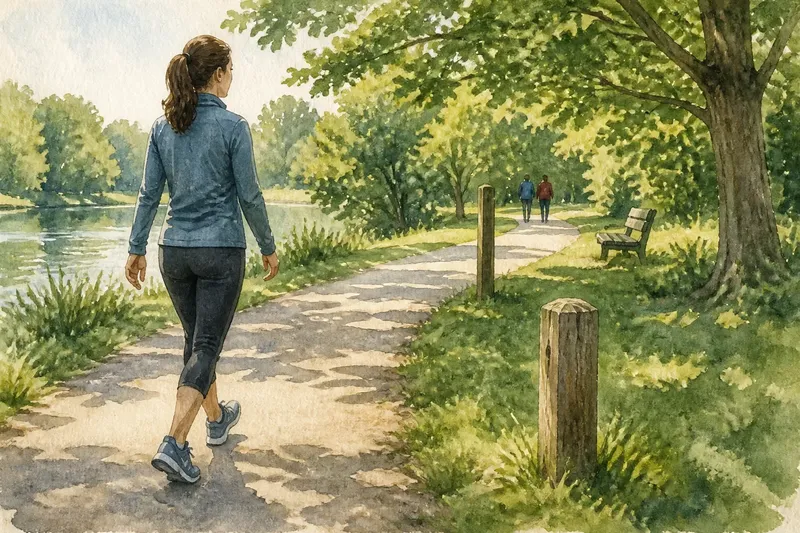
Say you have a free half-hour and feel restless but not keen on an unbroken outing. You choose a quiet park loop with two familiar path markers. You walk briskly between the first pair, then slow down until the next marker; when the path becomes crowded, you stop using the markers and continue at an easy pace. The observable result is a walk with distinct effort and recovery sections where the path allows, followed by simpler continuous movement. The trade-off is that a crowded route makes the interval pattern less tidy, so the walk’s structure changes rather than requiring you to force the plan.
For a steadier choice, take the same loop at a comfortable pace and leave changes unplanned. You can shorten the route if the day feels different from expected. These are ordinary recreational options, not prescriptions; adapt them to your ability, surroundings and preferences.
How do intervals or steady sessions fit?
Can intervals be gentle?
Yes. The effort can be a modest increase in pace, with easy movement between efforts. The format depends on the planned alternation, not on making each harder section severe.
Does a steady session mean no pauses?
No. Crossings, water breaks and ordinary interruptions can happen. “Steady” means the session is not deliberately organised around repeated effort-and-recovery blocks.
Can you combine both formats?
You can, though it helps to know which rhythm shapes most of the session. A brief brisk section during an otherwise continuous walk does not need to become a complicated interval plan.
Which format is approachable for a beginner?
Either can be approachable if the activity and effort feel manageable. Choose the one that makes it easier to start, stay aware of your surroundings and finish without turning the session into a test.
A simple plan
Before setting off, decide what the session should feel like and what will mark its structure. For intervals, identify the effort cue and the easier phase. For steady movement, choose a pace and setting that support continuity. If the plan stops fitting the day, change it; recreational exercise does not require a dramatic explanation.
Intervals or steady sessions are different ways to organise movement, not competing verdicts on fitness. Keep the format clear enough to follow without constant checking, and let the route, available time and mood guide the choice. A plain, enjoyable session is often more useful than an intricate plan that spends the whole outing demanding your attention.